タロット3枚引きの読み方:過去・現在・未来だけじゃない
タロット · 2026年7月15日
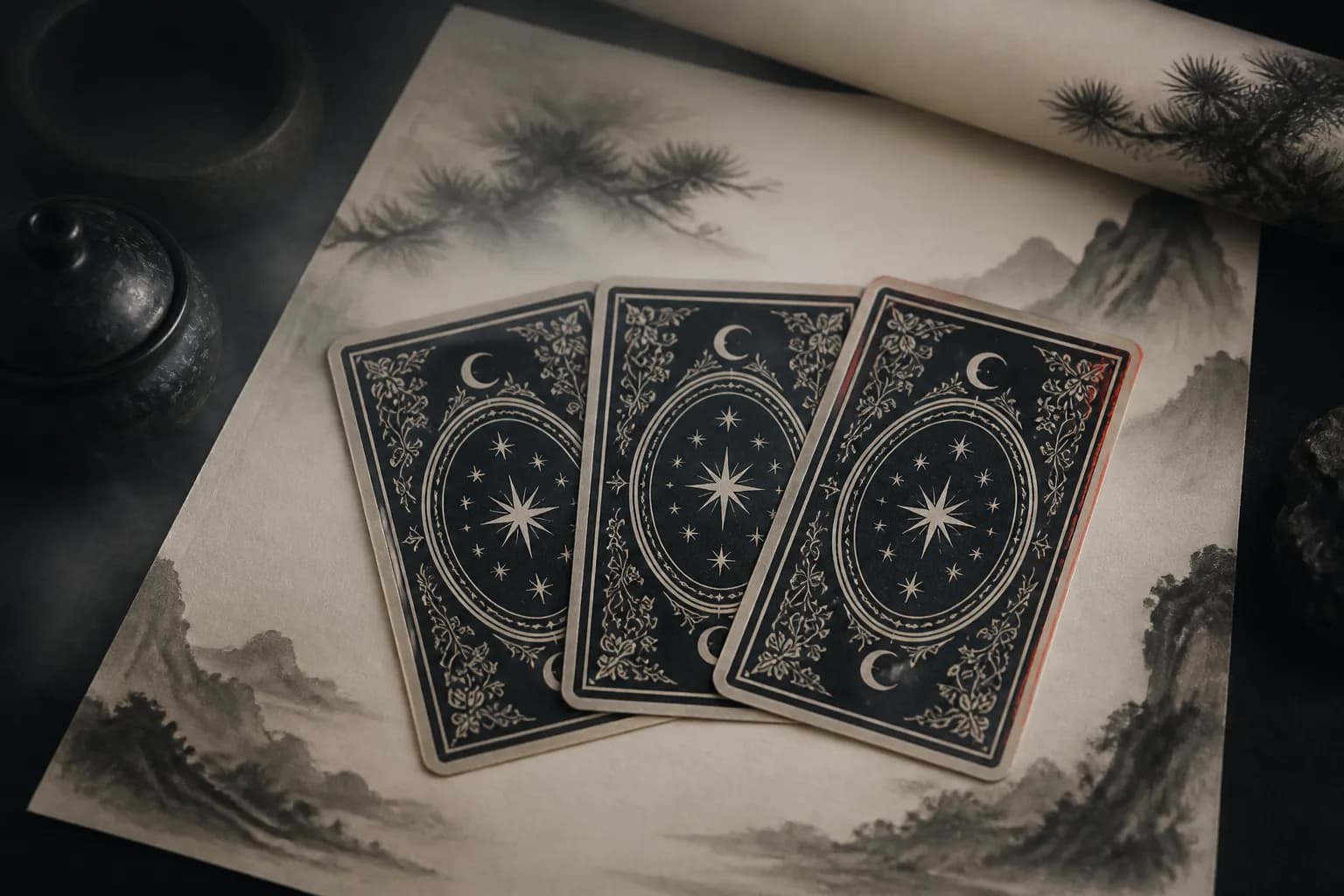
多くの人が最初に出会うタロットのスプレッドが3枚引き——過去、現在、未来。左から右に3枚並べる、シンプルで直感的、まるで物語の時間軸のよう。この直感は間違っていない。3枚引きの核心は確かに、質問に一条の線を与え、ばらばらのカードの意味をある方向へ流し、読める物語にすることだ。
だが、問題もまさにそこにある。ほとんどの人は「過去—現在—未来」という3枚の使い方しか知らないため、3枚引きができるのは時間軸の読みだけだと思い込んでいる。これはかなりの無駄遣いだ。3枚引きがタロットで最も汎用的なフレームワークである理由は、最もシンプルだからではなく、その構造がほぼあらゆるタイプの質問を支えられるからだ——必要なのは、各ポジションが何を表すかを定義し直すことだけ。
3枚のカードは何をしているのか
一歩引いて、スプレッドがそもそも何をしているのかを整理しよう。
タロットカード自体には78種類の意味がある——22枚の大アルカナと56枚の小アルカナ、それぞれが独自の象徴体系と伝統的な解釈を持っている。だがこれらの意味は**宙に浮いている**。スターカードを引く、「希望、癒やし、インスピレーション」——で、どうする? どんな文脈に置く? 何に答えるカードなのか? これらの問いに答えなければ、カードの意味は行き場のない形容詞の羅列でしかない。
スプレッドがやっているのは、カードの意味に**文脈をアンカーする**ことだ。3つのポジションを定義し、それぞれに語義的役割を与える。カードがいずれかのポジションに落ちると、カードの意味とポジションの意味が交差し、具体的で方向性のある情報が生まれる。
これは文法によく似ている。単語(カードの意味)単体では辞書的定義があるが、文を作る(スプレッド)には、文法構造(ポジション定義)で単語を意味のある表現に組み立てる必要がある。同じ単語でも主語の位置と目的語の位置では意味が全く違う。3枚引きは3部構成の統語フレームワーク——最短であり、だからこそ最も柔軟だ。
過去—現在—未来:便利だが万能ではない
時間軸スプレッドが入門の定番である理由は直感的だ:人間は本来、時間的物語で出来事を理解する。ここにどうやって至ったのか?今はどうなのか?この先どうなるか?——この3つの問いは、ほぼあらゆる困難に対する本能的な反応だ。3枚引きはこの認知パターンにぴったり合う。
だが、時間軸には構造的弱点がある:**あなたが必要としていないかもしれない前提——問題は時間の中で展開するという前提——を暗黙のうちに導入してしまう。**
時間の中で展開する問題は確かにある:「最近転職したんだけど、新しい方向は今より良くなる?」「この関係はあとどれくらい続く?」——こうした問題には明確な時間次元があり、過去—現在—未来が自然に適合する。
だが、そうでない問題もある:「彼との関係で、核心的な葛藤はどこにある?」「この選択に直面して、内面的な恐怖と外在的な機会はそれぞれ何なのか?」——こうした問題の構造は時間軸ではなく、次元の切り分けだ。無理に過去—現在—未来を当てはめると、解釈が不自然になりがちだ:「核心的な葛藤」を「現在」のポジションに押し込み、「恐怖」と「機会」を「過去」と「未来」に割り振る羽目になる。やれないことはないが、ポジションの意味と問題の構造にズレが生じ、解釈の精度が落ちるのは避けられない。
**だから第一歩:自分の質問が時間軸に合うかどうかを先に判断する。** 問題に本質的に時間次元があるなら使う。なければ、別のポジション定義に変える。3枚引きは時間軸を捨てたからといって機能不全にはならない——たいていの人の想像よりはるかに汎用的だ。
4つの実用的なポジション定義
時間軸のほかに、実戦で検証済みの3枚ポジション定義が少なくとも3つある。
問題—アドバイス—結果
[直面している問題] [推奨される行動] [行動後の可能性]
このポジション定義の核心は**行動志向**だ。「どうやってここに至ったか」(過去ポジションの仕事)には関心がなく、「今どうすればいいか」に直結する。
強みは:中央のカード(アドバイス)が最もアクションに結びつく情報だ。質問者は分析を聞きに来ているのではない、方向を探しに来ている。時間軸スプレッドの「現在」ポジションは「今の状態」を教えるが、状態描写は行動アドバイスではない——「現在」にソードの8が出て、「自分が閉じ込められていると感じている」と解釈できても——的確だが、それで?
問題—アドバイス—結果フレームワークは状態描写を飛ばし、実行可能な情報を直接与える:**これをやれば、こうなる可能性がある。** 決断型の質問に特に有効だ:「このオファーを受けるべき?」「別の都市に引っ越すべき?」「この関係を続けるべき?」
一つ注意点:「結果」ポジションの解釈は予言と受け取られやすい。だが違う。すべてのスプレッドと同様、現在のパターンに基づく推演——中央のアドバイスカードが示唆する方向を採用した場合、事態はどう展開しそうかというものだ。行動を変えれば結果も変わる。この限定条件は読みの際に明示しておくのがいい。クラスターの10を「絶対に幸せになれる」という保証と受け取られないためだ。
私—相手—関係
[自分の状態/視点] [相手の状態/視点] [二者間のダイナミクス]
このポジション定義は関係性の質問に特化している。構造は物語の軸ではなく**トライアンギュレーション**——最初の2枚がそれぞれ両端の内的状態を描写し、3枚目がその間に生まれる場を表す。
実戦上の難点は、1枚目と2枚目をできるだけ客観的にする必要があること。だが、質問者の「自分」の描写には主観的フィルターがかかっており、「相手」の描写には投影が入りやすい。「相手」ポジションに逆位置のタワーが出ると、質問者は「相手はすべてを破壊するつもりだ」と即座に解釈するかもしれない——だがもう一つの可能性も考慮すべきだ:質問者自身が傷つくことを恐れており、その恐怖を相手のカードに投影している可能性だ。
これはこのポジション定義が欠陥だという意味ではない——関係性スプレッドは他のタイプより、読み手の投影への敏感さに依存するということだ。最初の2枚の解釈がどちらも極端な方向に偏っていることに気づいたら、一時停止してこう尋ねる価値がある:「相手に対するあなたの気持ちは、観察に基づいている部分と、恐れている部分、どちらが多い?」
身体—心—精神(または物質—感情—意味)
[物質/現実の層] [感情/心理の層] [意味/スピリチュアルの層]
この構造は**レイヤー別スキャン**だ。物語も語らず、アドバイスも出さない。同じ質問を三つの異なる深さで切り取って見せるだけ。
例えば、「退職して起業すべきか?」という問い——時間軸は過去・現在・未来の変遷を与え、問題—アドバイス—結果は行動計画を与える。だがレイヤー別スキャンは別種の情報を提供する:「物質の層から見て、財政的な準備と現実的な条件はどうか?感情の層から見て、这件事に対する本当の気持ちは何か——興奮か不安か?意味の層から見て、これは自分の人生に対する長期的な理解と一致しているか?」
3つの層の情報は矛盾するかもしれない——物質の層がペンタクルの4(不安定な財政基盤)、感情の層がワンドのエース(強い情熱と衝動)、精神の層が運命の輪(「これが正しいタイミングだ」という感覚)。矛盾は問題ではなく、むしろ最も価値のある解読材料だ。これは「やるべきかやるべきでないか」の単純な答えでは済まないことを示している。複数の層のリアルを同時に抱えながら選択しなければならない——物質的リスクもリアルだし、情熱もリアルだし、意味の感覚もリアルだ。**互いに引っ張り合う三つのリアルの間でどう選ぶか——それがカードをしまった後に本当にやるべきことだ。**
4つめ:カスタム
上の3つに時間軸を加えれば、ほとんどのシチュエーションをカバーできる。だが3枚引きはこれらのテンプレートに限定されない——質問に応じて3つのポジションの語義的役割を自分で定義してよい。
例えば、「クリエイティブの行き詰まりで stuck している」: - 1番目:行き詰まりの原因 - 2番目:見過ごしているリソース - 3番目:突破口の方向
「AとBのどちらか選べない」: - 1番目:Aを選ぶ場合の核心的な原動力とリスク - 2番目:Bを選ぶ場合の核心的な原動力とリスク - 3番目:どちらを選んでも、根本的に向き合う必要がある課題
**カスタムポジションの要点:3つのポジションの間に論理的関係が必要だ。適当に3つの次元を拾って凑めるべきではない。** 良いポジションの組み合わせは、進行型(原因→核心→結果)、並列型(三つの平行次元)、あるいは両端+合成型(Aの状態→Bの状態→AとBの関係)のいずれかだ。関係が明確であれば、3枚のカードは読める情報チェーンを形成できる。
カード間の関係が単一カードの意味より重要
どのポジション定義を使うにせよ、3枚引きの解読で最もよくある失敗は**一枚ずつ順に読む**こと——1枚目の意味を言い、2枚目、3枚目と言って、「全体として見ると……」と一言添える。
これは読解ではない。メニューの読み上げだ。
3枚のカードが一緒に置かれたとき、真に価値のある情報はどの一枚の独立した意味にもなく、**カードとカードの関係**の中にある。注目すべき関係パターンをいくつか挙げる。
**対比。** 1枚目と3枚目の違いが最も目立つ物語の原動力だ。過去ポジションのソードの2(迷い)と未来ポジションの皇帝(権威と決断)の強い対比——物語の軸は「迷いから決意へ」で、中央のカードはこの転換がどう起きるかを教えるべきだ。中央がフールなら、「迷いを破るには冒険が必要」、中央が隠者なら、「自分が本当に何を求めているかを知るには孤独が必要」。同じ対比でも、中央のカードが違えば物語は全く違う。
**反復または強調。** 3枚の中に同じ数字、同じスート、同じ人物のテーマが現れると、そのカードの意味は増幅される。3枚すべてがカップなら、感情の次元がその問いを圧倒的に支配している——恋愛の質問でなくても。2枚の8——ペンタクルの8とソードの8——数字8のテーマは「修練、精進、完成に近づく」で、二つのエレメント(土と風)にまたがり、物質的次元と心理的次元が類似の試練を同時に経験していることを示唆する。
**進行。** 数字の小アルカナには内蔵された進行構造がある——ワンドのエースから10は、インスピレーションから実現へのプロセスだ。3枚の数字が増加方向(カップの2、カップの5、カップの8など)なら、「単純から複雑への」進化を示唆する。減少方向なら収束あるいは解放。
**エレメントの張力。** 火(ワンド)と水(カップ)が隣接すると、行動と感情の間の摩擦を示唆する——やりたいことと本当に感じていることの間にズレがある。土(ペンタクル)と風(ソード)が隣接すると、現実と理想の間の張力。このエレメント的分析は時間軸スプレッドで特に有用だ:過去が土、現在が風、未来が火なら、「安定した現実」から「思考と計画」へ「行動」への進化。逆に過去が火、現在が風、未来が土なら、「衝動的な行動」→「反省と消化」→「着地と定着」——全く別の物語だ。
中央のカードが要
ポジション定義がどう変わろうと、3枚引きで中央のカードはほぼ常に解読の要だ。
時間軸では中央は「現在」——過去の背景と未来の方向を繋ぐ橋。問題—アドバイス—結果では中央は「アドバイス」——行動の方向を直接示す唯一のカード。私—相手—関係では中央は「関係のダイナミクス」——両端は入力で、中央こそが知りたかった答えだ。
この構造は偶然ではない。3部構成の物語は自然に重心を中央に置く——前後を繋ぎ、情報密度が最も高いポジションだ。3枚引きで1枚だけじっくり見るなら、中央を見る。その情報だけでスプレッドの大部分の意味をカバーできることが多い。
もちろん、両端を無視すべきではない。両端は中央にコンテキストを与える——コンテキストのない要は孤立したアドバイスであり、コンテキストがあって初めて、このアドバイスが何に答えているのかが理解できる。完全な読みのプロセス:まず3枚全体の絵をスキャン(色調、大アルカナの数、正位置/逆位置の割合)、次に両端間の対比や進行を確認し、最後に中央のカードにフォーカスして、前の二層の情報が構築した理解フレームの中に置き、具体的で方向性のある情報を読み取る。
実践例
質問:「2年続いた友人関係を終えるべきか迷っている。この関係はとても疲れるけど、後悔するのが怖い。」
選んだポジション定義:問題—アドバイス—結果(決断型の質問なので、時間軸より行動志向が合う)。
| ポジション | 引いたカード | 初期連想 |
|---|---|---|
| 問題 | カップの5(正位置) | 喪失、悲しみ、かつてあったが今はもうないものへの郷愁 |
| アドバイス | ソードの2(正位置) | 困難な選択、二つの選択肢の間での膠着、決断が必要だができない |
| 結果 | 運命の輪(正位置) | 転換、サイクル、自然に次の段階へ移行 |
**全体の絵**:3枚の中に逆位置はない。全体のエネルギーは滞っているというより、転換点に近い。大アルカナは1枚だけ(運命の輪)、このことが人生の軌跡に影響するが破壊的なものではないことを示唆。エレメントの分布:カップ(水)+ソード(風)+大アルカナ——感情と理性が共に動いているが、物質的次元(ペンタクル)と行動力(ワンド)が不在——このジレンマがまだ感情と思考の領域に留まっており、具体的な行動に移行していないことを示している。
**問題ポジション(カップの5)**:ジレンマの本質は悲しみ——ある特定の出来事に対する怒りや失望ではなく、「かつて良かったが今は違う」という喪失への哀悼。カップの5には5つのこぼれた杯と1つまだ立っている杯がある——何かを手放したくないまま離れられないでいる。質問者の「後悔するのが怖い」と一致する。カップの5の絵が語っているのは:あなたは後悔する前に、すでに後悔のリハーサルを始めている。
**アドバイスポジション(ソードの2)**:このカードは「選択の困難」そのもの——腕を組み、目隠しをし、二本の剣。あなたの今の状態は膠着だと告げている。選択肢がないのではなく、両方のコストが見えているから動けない。ソードの2の核心的なメッセージ:**膠着は安全な中立ではない——決断の遅延による消耗だ。** 「選ばない」のではなく「選ばないことを選んでいる」。選ばないことにも代償がある——それが「疲れる」という感覚だ。
**結果ポジション(運命の輪)**:結果ポジションの運命の輪には二層の解釈がある。一つ:何を選んでも、自然に新しい段階へ移行する——この関係が今の状態で永遠に留まることはない。もう一つ:運命の輪は**周期的変化**を示唆する——終わり=永遠の消失ではない。この関係の現在の形態の終わりにすぎないかもしれない。
**統合**:3枚が語る物語は——活力を失った関係に哀悼し(カップの5)、その哀悼が「手放すべきか」の選択で膠着させ(ソードの2)、スプレッドの全体的なメッセージは:転換は自然に起きる、そしてその転換はあなたが恐れている絶対的な終わりとは限らない(運命の輪)。
核心的な判断は「終えるべきか否か」ではなく:**膠着で消耗しているエネルギーは、この関係から得ている滋養をすでに上回っているか?** カップの5の5つのこぼれた杯は自力では立ち上がらない——立っているのは1つだけ。時には「後悔が怖い」は直感の警告ではなく、悲しみによる引き延ばしだ。
この読みは「終えろ」とか「終えるな」といった単純な答えを与えない。3枚引きは二項の答えを与える必要はない——与えるのは情報だ:自分が実際に何を処理しているのか、今の行動パターンは何なのか、現状維持なら事態はどう展開しそうか。選ぶのはあなただ。
3枚引きは大型スプレッドの簡略版ではない
「3枚引きは初心者用の簡略版で、本格的な読みにはケルト十字やもっと複雑なスプレッドを使うべきだ」という見方がある。半分正解だ——3枚引きは確かにシンプルだが、シンプル≠浅い。
3枚引きの情報密度は三つの要素に依存する:ポジション定義の精度、読み手のカード意味への習熟度、そして——最も見落とされがちな——質問者の質問の質。同じ曖昧さの質問に対し、10枚スプレッドは10倍の曖昧な情報を与え、3枚引きは3倍しか与えない。後者の方が扱いやすい。
読解力を鍛えたいなら、3枚引きは大型スプレッドより良い練習場だ。理由:大型スプレッドは情報量が多すぎ、初心者は圧倒されて一枚ずつ列挙するしかなくなる。3枚引きは**個別のカード**ではなく**カード間の関係**に注目することを強いる——カード意味の丸暗記では済ませられず、3枚の間の物語を見なければならない。このスキルは一度身につければ、あらゆる複雑なスプレッドに応用できる。
---
*タロットは占い道具ではない。曖昧な感情とジレンマを構造化する方法だ。3枚引きはその中で最もコンパクトな構造——3本の信号線が、混沌を読める情報に圧縮する。読んだ後どう選ぶかは、あなた次第だ。*