
真太陽時が命盤に影響する理由:生まれた時刻が境界付近なら確認すべきこと
時刻と擇日 · 2026年7月15日
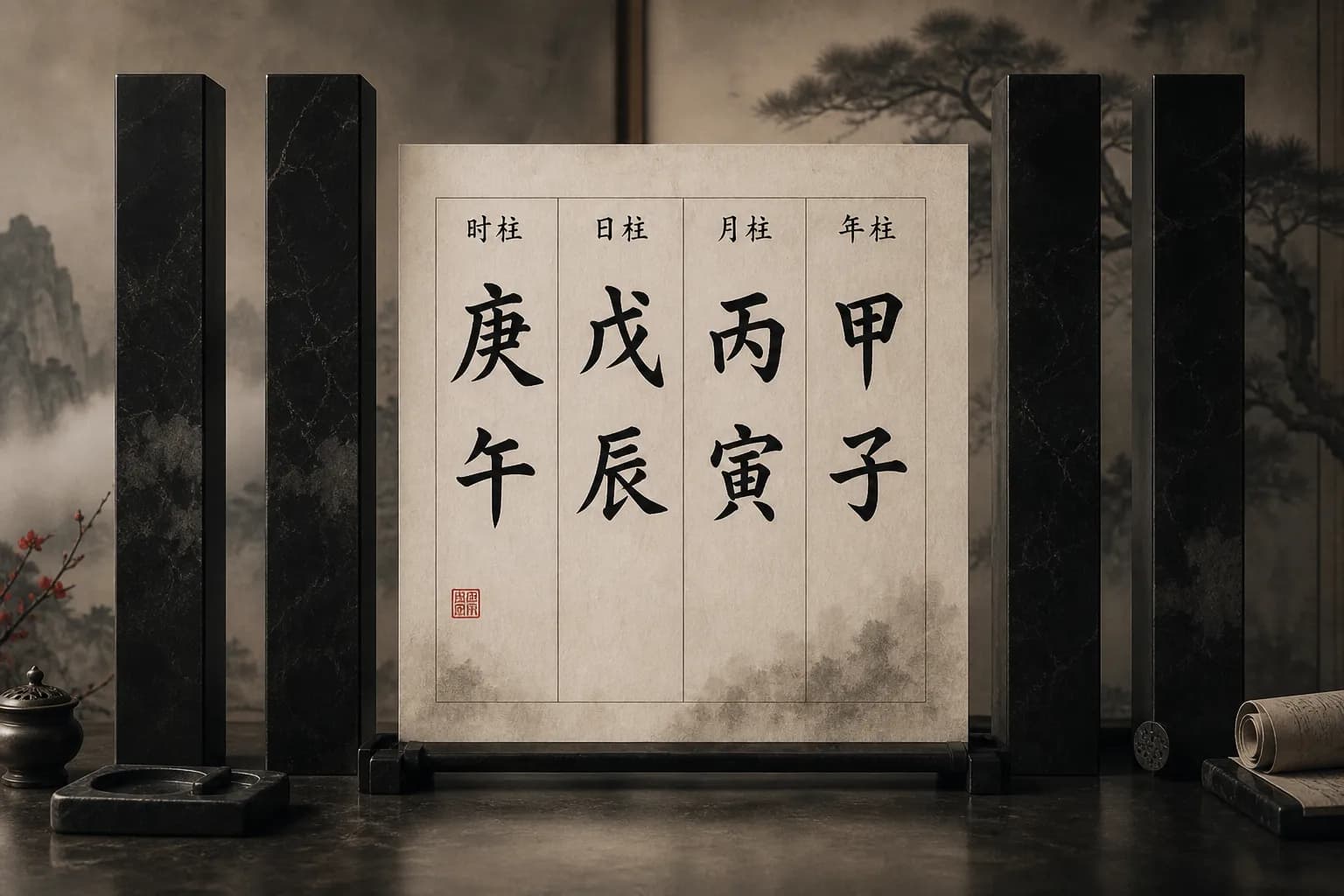
時計で数分違うだけで、八字がまったく別のものになることがある——でも、誰もがその境界にいるわけではない。
八字(四柱推命)の命盤を作る第一歩は、生まれた瞬間を四つの柱の干支に変換することだ。たいていの人の出生時刻は時計に基づいているが、時計の時間と天文学的な時間のあいだにはズレがある。このズレが「真太陽時差」だ。原理を理解するのは難しくない。本当の問いはこうだ——あなたの出生時刻は、補正が実質的に影響する境界に乗っているか?
命盤は一つの正確な瞬間に依存する
八字の年柱は立春を境界とし、月柱は節気を境界とする。これらの境界は天文現象——太陽が黄道上の特定の位置に到達した瞬間——だ。あなたの時計の時間には依存しないので、真太陽時は年柱と月柱にはほぼ影響しない。
影響を受けるのは時柱、そして子時の帰属に関わる日柱だ。
時柱は出生時刻がどの二時間枠(時辰)に属するかで決まる。十二の時辰があり、それぞれ二時間の幅を持つ(例:午時は 11:00–13:00)。10:50 や 13:10 に生まれたなら、枠の真ん中付近だから、数分の太陽時補正で枠が変わることはない。しかし 10:58 に生まれた場合、補正後の時間が巳時から午時に押し出されるかもしれない——時柱の天干も地支も丸ごと変わる。
これが真太陽時問題の核心だ:**全員が補正を必要とするわけではないが、一部の人には不可欠だ。**
二つのズレの要因
真太陽時は二つの要素からなる。
**経度差**(影響大):中国は東経 120° を基準とする北京時間を全国で使っているが、実際の経度は地域ごとに異なる。経度 1° の偏差につき約 4 分の時差が生じる。成都(約東経 104°)は基準より西に 16° ずれており、約 64 分を差し引く必要がある——1 時間を超える。ウルムチ(約東経 87°)なら約 132 分——2 時間を超える。
つまり、同じ時計の時間でも、北京とウルムチではまったく別の時辰になることがある。経度差が大きいほど、無視できない。
**均時差**(影響小):地球の公転軌道は楕円なので、太陽の黄道上の実際の速度は一定ではない。真太陽時と平均太陽時の差(均時差)は、一年のあいだに ±16 分の範囲で変動する。大半の命盤作成では経度補正が主成分を占めており、均時差は精度を少し上げる程度の追加情報にすぎない。
注意すべきケース:境界チェックリスト
以下のリストは、真太陽時補正を真剣に検討すべき状況をカバーしている。どれにも該当しないなら、時計の時間をそのまま使ってほぼ問題ない。
⚠️ 1. 出生時刻が時辰の境界から 30 分以内
これが最重要項目。時辰の境界時刻(例:11:00、13:00、15:00)の前後 30 分以内では、経度補正と均時差の合計が隣の時辰に押し出す可能性がある。西部の都市(経度が大きく西に偏っている)は特にリスクが高い。
**確認方法**:出生地の経度を調べ、経度補正量を計算する。補正後の時間が境界から 15 分以上離れていれば、基本的に安全。
⚠️ 2. 出生地の経度が 120° から 5° 以上ずれている
5° のずれ = 20 分の時差。この閾値を超えると、時辰の真ん中付近に生まれた人でも完全に無視できなくなる——通常は時柱が変わらないとしても、時辰の最初の 20 分以内に生まれていれば、補正で前の時辰に戻る可能性がある。
**高リスク地域**:新疆(20–33° のずれ)、チベット(15–28°)、雲南(10–15°)、四川(10–16°)、甘粛(10–15°)。
⚠️ 3. 23:00 前後の出生(子時問題)
子時は 23:00–01:00 にまたがり、二つのグレゴリオ暦の日付をまたぐ。深夜 0 時より前に生まれた場合、日柱はどちらの日になるのか?これについては八字界でも今も議論がある(早子時派 vs. 晩子時派 vs. 分段派)。真太陽時補正で 23:02 の出生が 22:50 に押し戻されれば、子時から亥時に変わる——時柱が変わるだけでなく、日柱の帰属問題も連動して変わる。
⚠️ 4. 夏時間の実施期間中に出生
中国では 1986 年から 1991 年まで夏時間が実施されていた。出生年がこの期間内なら、記録された出生時刻が夏時間調整済みかどうかを確認する必要がある。年によって規則が異なる場合もある——具体的な記録を確認すること。
⚠️ 5. 出生時刻自体が不確か
「午後二時三時頃」「明け方」としか知らない人は少なくない。元の時刻に 30 分以上の不確実性があるなら、太陽時補正をどれほど精密に行っても意味がない——すでに時辰の境界をまたぐ範囲に収まっているからだ。
補正で時柱が変わるとどうなる
時柱が変わると、多くの人が想像するより影響範囲は大きい。
- **天干が変わる**:十神の関係も追随して変わる。例えば時干が庚から辛に変われば、日主に対する十神の属性が偏財から正財に変わる(日干による)。 - **地支が変わる**:時支の蔵干、他の三柱との刑・衝・合・害の関係をすべて再計算する必要がある。 - **子時の帰属が変わる**:日柱が変わり、極端なケースでは月柱にも影響する(稀だが)。
言い換えれば、時柱は八字の推論チェーンの一部だ。この部分が変われば、後続の十神分析、格局の判定、喜忌の判断がすべてずれる可能性がある。結論が覆るというわけではないが、少なくとも再検討は必要だ。
実務的な対応
**自分や他人の命盤を作る場合:**
1. 出生地の経度を調べ、経度補正を行う(最優先)。 2. 補正後の時間が時辰境界から 15 分以上離れている——補正後の時間を信じて使う。 3. 補正後の時間が境界から 15 分以内——二つのバージョンの命盤を作成し、違いを比較して実情に合わせて判断する。 4. 子時付近の出生——二つの日柱バージョンを作成し、それぞれの採用基準を明記する。
**依頼者の命盤を見る場合:**
三つの情報を確認する:出生地(市/県レベル)、出生時刻(分単位)、当時の時間基準が何だったか。時辰境界付近のケースでは、不確実性を透明に伝えることが、過度に断定的な結論を提示するよりずっとましだ。
いくつかの正直な境界線
- 真太陽時補正は天文事実に基づいており、この点には異論の余地がない。 - しかし、八字システム自体の精度の限界がどこにあるか、誰も厳密に証明したことがない。時辰は二時間の幅を持ち、その二時間の枠内で 59 分目と次の枠の 1 分目は理論上「同じ八字」だが、多くの実践者の直感ではこれが不合理に感じられる。これは八字理論の構造的な曖昧領域であり、補正技術で解決できるものではない。 - 経度補正は確定的(地球は丸い)、均時差は確定的(軌道パラメータは既知)、しかし出生記録の信頼性は不確定なことが多い。確定した公式に不確定な入力を入れても、出力はやはり不確定だ。